Choosing the Best Roofing Materials: Expert Insights From the Experts at Premier Roofing & Exteriors
Picking the ideal roofing materials can significantly affect a home's longevity and visual charm. Premier Roofing & Exteriors highlights several options, including clay tiles, asphalt shingles, and metal roofing, each delivering unique qualities. Considerations including climate and architectural style play a vital role in this choice. Recognizing the long-term value of quality materials is important, yet many homeowners overlook key factors that can impact their selections. What key factors should they evaluate next?
Understanding Different Roofing Materials
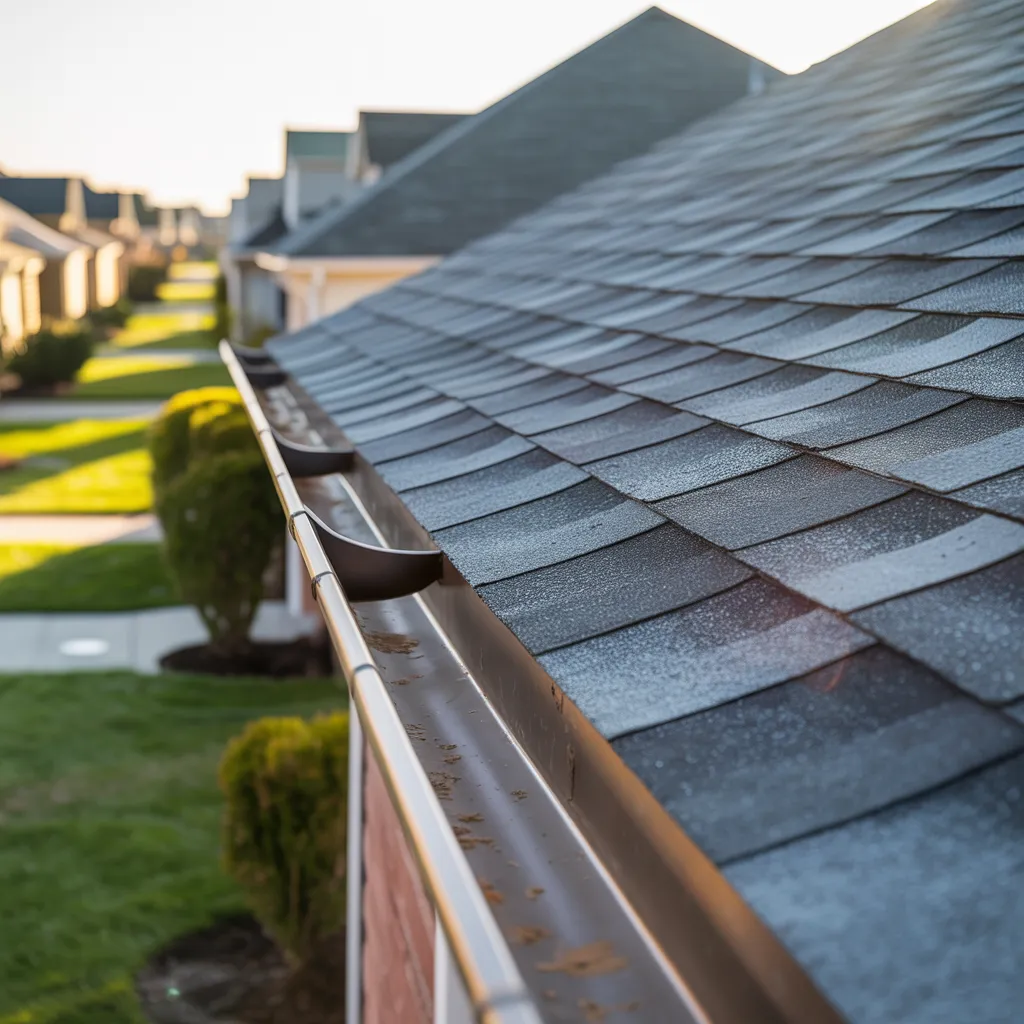
When selecting roofing materials, what factors should homeowners consider? Many choices exist, each with distinct characteristics, advantages, and drawbacks. Asphalt shingles are widely favored for their cost-effectiveness and straightforward installation, rendering them a go-to solution for a wide range of residential applications. Metal roofing, recognized for its long-lasting nature and energy-saving properties, appeals to those seeking longevity and reduced cooling costs. Clay and concrete tiles offer aesthetic appeal and can withstand various weather conditions, yet they are typically bulkier and higher in price. Wood shakes provide natural beauty but require regular maintenance to prevent decay. Homeowners must also consider local climate, architectural style, and budget constraints. At the end of the day, the decision regarding roofing material should correspond with personal desires and real-world necessities, ensuring a balance between functionality and visual appeal while enhancing the property's overall value.
How to Determine Durability and Longevity
Assessing durability and longevity in roofing materials is essential for homeowners looking to make a wise investment. To determine these factors, one should examine the material's resistance to weather elements such as wind, rain, and hail. For instance, metal roofs tend to outlast asphalt shingles when it comes to durability, commonly enduring over 50 years with proper maintenance.
Another important consideration is the manufacturer's guarantee, which can provide insights into projected life expectancy and sturdiness. Homeowners should also examine the surrounding environmental conditions, as certain materials may fare better in certain climates. As an illustration, clay tiles are capable of enduring severe temperature fluctuations, positioning them as an excellent option for regions with higher temperatures.
Additionally, seeking expert opinions and reviews can further aid in evaluating performance history. At the end of the day, picking materials that suit both regional conditions and personal tastes secures a reliable roofing solution that shields homes for years ahead.
Cost vs. Value in Roofing
Comprehending the relationship between price and value in roofing materials is fundamental to making informed decisions. House owners often deal with the dilemma of balancing upfront expenses with long-term benefits. While cheaper materials may reduce upfront expenses, they may fall short in durability and necessitate more recurring replacements, eventually raising total costs. On the other hand, selecting higher-grade materials can deliver meaningful financial benefits over time through superior lasting power and decreased maintenance necessities.
Worth also includes considerations such as energy efficiency and aesthetic appeal. Roofing with superior insulation can decrease energy expenses, delivering a return on investment that goes beyond the upfront cost. Furthermore, an attractive roof can boost a property's market value. As a result, reviewing roofing solutions should not be limited to cost but should also weigh long-term advantages and potential savings. In the end, a careful evaluation of cost against value will result in more informed roofing decisions.
Choosing the Right Roofing Style for Your Home's Architecture
What steps can homeowners take to ensure their roofing style matches their home's architecture? Selecting the right roofing style is fundamental for achieving aesthetic harmony and enhancing curb appeal. Homeowners must start by assessing their home's overall architectural design. As an example, a contemporary home typically complements flat or low-slope roofs, whereas classic styles such as Colonial or Victorian are enhanced by gable or hip roofs.
Furthermore, the nearby surroundings plays a crucial role. Properties near the coast might consider materials designed to resist salt and moisture, while those in harsh winter climates may need roofs designed to shed snow effectively. Coordinating colors is also essential; a roof should complement the exterior palette to achieve a unified appearance. Working with architectural specialists or consultants can offer helpful guidance, ensuring that the decided roofing solution not only suits personal aesthetic choices but also honors the structural character of the home.
Care Guidelines for Your Selected Roofing Material
Adequate care of roof components is critical for extending their lifespan and ensuring peak performance. Homeowners should carry out periodic evaluations, ideally twice a year, to identify underlying concerns such as deteriorated shingles or buildup of debris. Maintaining gutters and drainage outlets prevents water damage and Roofing Fort Wayne promotes proper drainage. For asphalt-based roofing, maintaining sufficient air circulation can minimize thermal buildup, which may cause deterioration. Metallic roof structures need regular examinations for rust or loose fasteners, while tile roofs should be assessed for broken tile pieces.
Additionally, keeping trees trimmed away from the roof helps prevent falling branches and curtails moss or algae growth. If needed, immediate repairs should be completed to prevent minor problems from becoming major ones. To conclude, consulting a professional for routine maintenance or inspection can provide expert insights and guarantee that the roofing material remains in excellent condition, boosting the home's overall value and safety.
Frequently Asked Questions
How Do Different Roofing Materials Affect the Environment?
Different roofing materials have varying environmental impacts. Asphalt shingles contribute to landfill waste, while metal roofs are recyclable. Green roofs deliver significant insulation properties, yet the process of installing them can require substantial resources, underscoring the importance of thoughtful material selection.
How Does Weather Affect the Performance of Roofing Materials?
Climatic conditions heavily impact roofing material durability and function. Extreme temperatures can cause expansion or contraction, while heavy rain or snow can lead to leaks. Wind may lift or damage materials, impacting durability and effectiveness over time.
Can New Roofing Be Installed Over Existing Materials?
Indeed, it is possible to install new roofing over current materials, provided the structure is sound and local building codes allow it. This technique can help save on time and overall costs, though a careful inspection is critical to confirm the roof's durability.
What Are the Typical Warranties Offered for Roofing Materials?
Typical warranties for roofing materials consist of manufacturer warranties, generally protecting against defects for 20 to 50 years, and workmanship warranties, ranging from one to ten years, depending on the contractor, ensuring installation quality and material performance.
How to Find a Dependable Roofing Contractor
To identify a dependable roofing contractor, it is advisable to examine customer reviews, confirm licenses and insurance, request detailed estimates, and maintain clear communication. Word-of-mouth recommendations and checking past work can further build confidence in the contractor's capabilities.